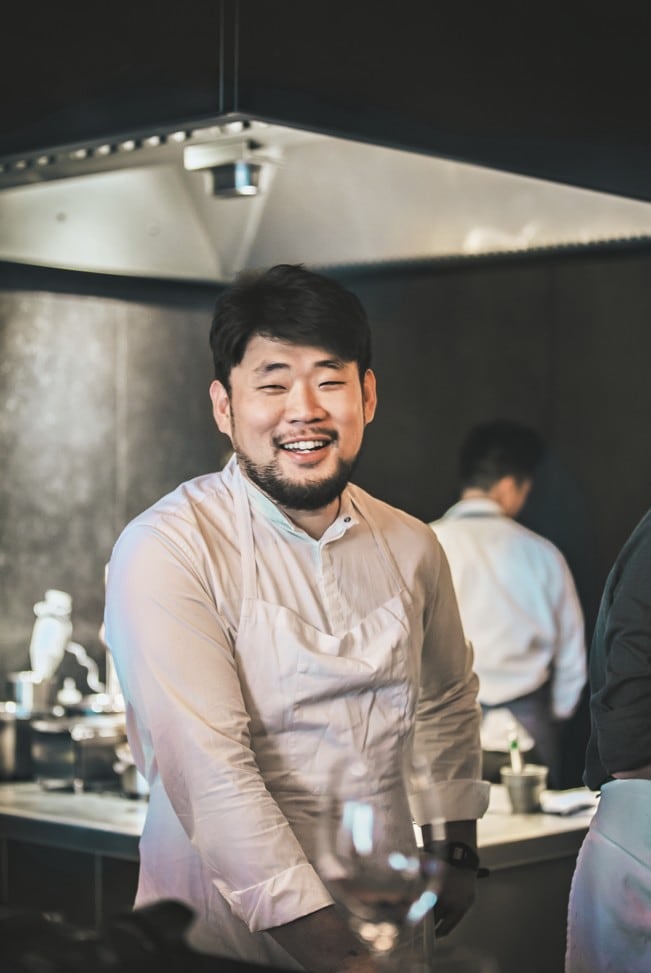
Chef Lee Ha-sung, selected as the first Nanro Next Fellow of the next generation of K-Gourmet
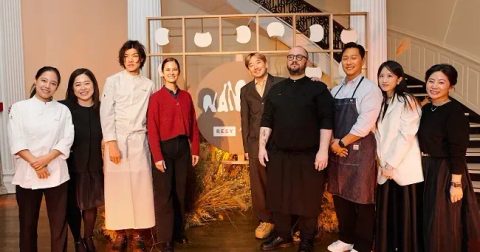
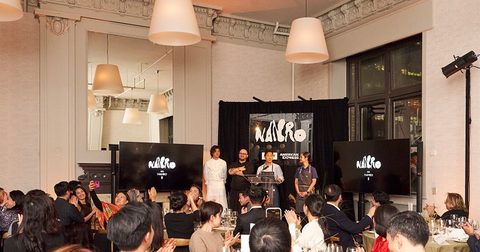
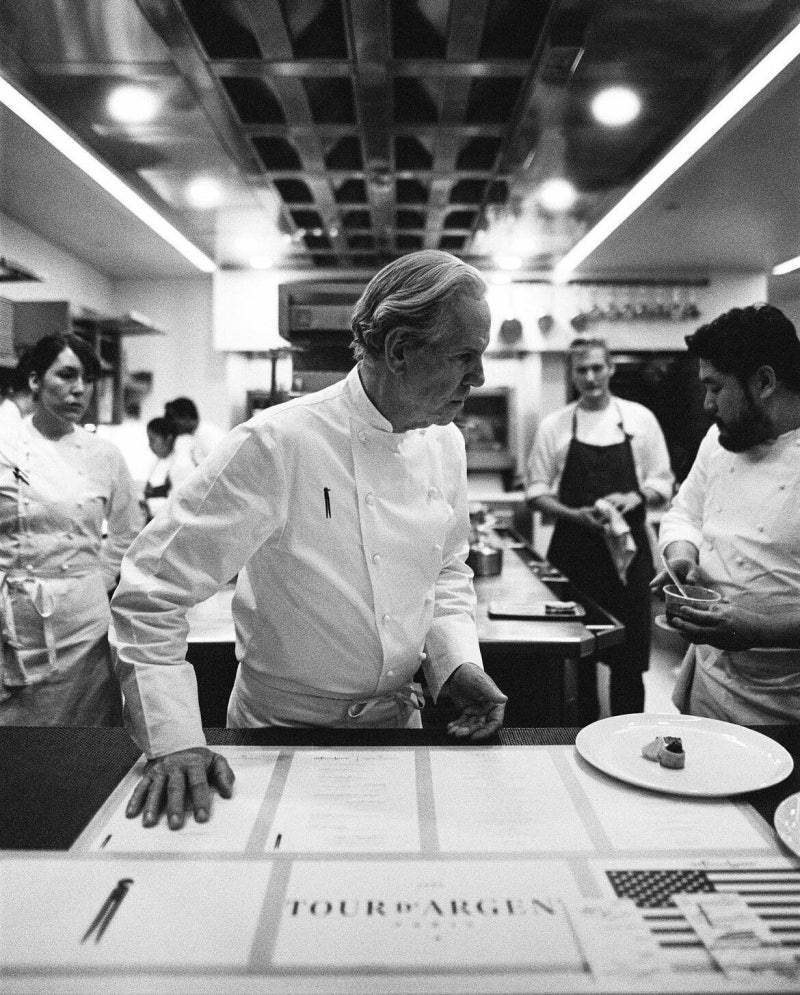
The world’s best restaurants used to be full of young Japanese chefs. These days, Korean chefs are everywhere — Lee Ha-sung, 37, sous chef at ‘The French Laundry’ in Yountville, California, is a leading example. The French Laundry is a three-Michelin-star restaurant run by the grand master of world gastronomy, Thomas Keller. France’s Le Monde once wrote of it that “the greatest French restaurant should turn out to be outside France!” Chef Sungjae An, owner-chef of Mosu, also came through this kitchen. Lee was recently named the first ‘Nanro Next Fellow’ — the inaugural talent chosen to lead the future of K-Gourmet — by Nanro, the non-profit society founded by chefs and experts across fields to globalize hansik. We met him online on the sixth.
Lee was self-assured. Asked what he had learned working at “the region’s best restaurant,” he corrected the question — “the world’s best” — before continuing. What he learned, he said, was how The French Laundry became the world’s best restaurant. Michelin three-star restaurants tend not to change their menus often — the level of the food is already so high that lifting it further is difficult — yet The French Laundry changes its menu every day. The secret is a ‘farm-to-table’ system. Across the street from the restaurant sits its dedicated farm. Every day by 3 p.m., the resident farmers select that day’s best vegetables and eggs, and send a list across to the kitchen. On that list, The French Laundry writes tomorrow’s menu.
There is much to learn about how ingredients are used, too. Grating an expensive white truffle onto a scale, for example, is done because “what the guest is paying for must not be shortchanged.” Grating more is fine; less is not. “At first I made staff meals from leftover vegetables and pieces of meat. That’s the norm in Korea. Here I was told off — why was the quality of the staff meal like this? Real cost management, they told me, isn’t skimping on what people eat; it’s teaching the junior cooks well so they don’t waste ingredients through mistakes in prep. I think that’s the secret to becoming the world’s best restaurant.”
Before enrolling at the CIA — the U.S. culinary school often called ‘the Harvard of cooking’ — Lee majored in hotel-cooking science at a Korean university. During a year interning at U.S. hotel restaurants as a college student, the Lehman crisis sent the dollar’s value soaring. After spending everything he could of his wages, he still returned to Korea with 20 million won in hand. With that money he ran a ‘food truck’ with three friends. They bought a modified one-tonne truck at the Pyeongtaek used-car market and kitchen equipment at Seoul’s Hwanghak-dong. They sold dishes like tomato pork-bone jjim, quesadillas, and mussel broth for under 10,000 won a plate. “I took classes during the day, sold food from 6 p.m. to 1 a.m., and prepped until 4 a.m. for the next day. I never felt tired back then. Looking back now, neither the food nor the business made sense, but that experience left me unafraid to try new things. It probably made moving between cities abroad a little easier, too.”
After graduating from his Korean university and later the CIA, Lee worked at ‘Geranium’ in Denmark and, as a founding member, at ‘Atomix’ in New York. Until now he has been, in chefs’ terms, “doing salaryman work”; now he dreams of becoming an ‘owner-chef.’ He is preparing to open ‘Oyatte’ — named after his own family name, Lee, written with the Chinese character for ‘plum’ (‘oyat-Ri’) — in New York, targeting next spring. He hadn’t expected that launching a restaurant would prove harder than moving country to country. That is what gave rise to a second dream — to become “a chef who mentors the next generation” — so that others starting their own restaurants can avoid the trial and error of the lonely, difficult path. A three-Michelin-star, he said, is a means to a dream, not the dream itself.
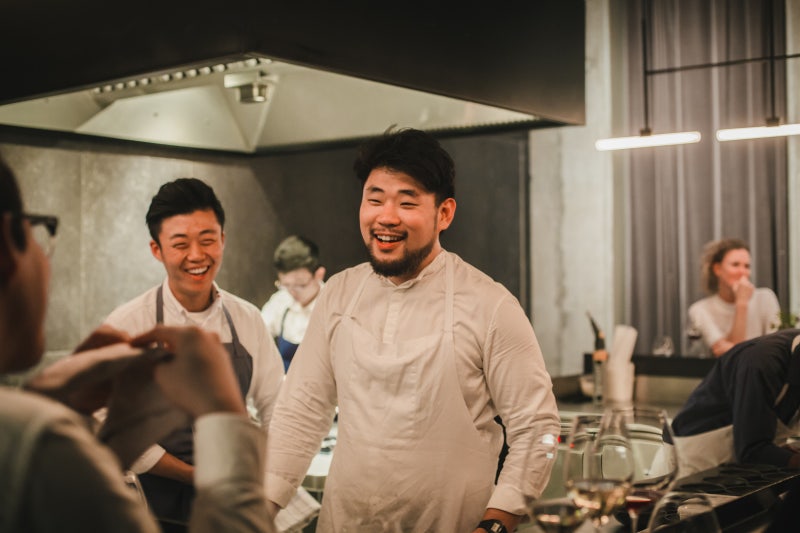
What kind of food will he serve there? “It will be a restaurant that distills everything I’ve learned building my career mostly in Western cuisine. I don’t want Oyatte to be caged inside the ‘hansik’ category. I’ll also bring fresh vegetables from a dedicated farm and cook food that is only Lee Ha-sung’s. I want to go head-to-head with Chef Thomas Keller.”
· Original (Korean): n.news.naver.com