The spark has been struck — and Korean BBQ is about to be grilled to its best.
K-BBQ Wave · Nanro-hoe
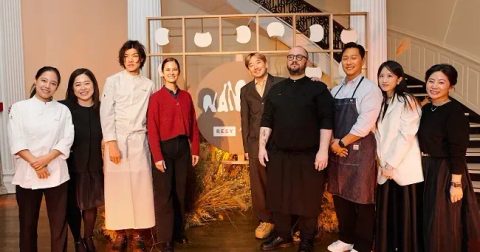
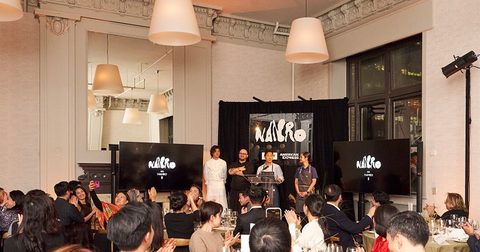
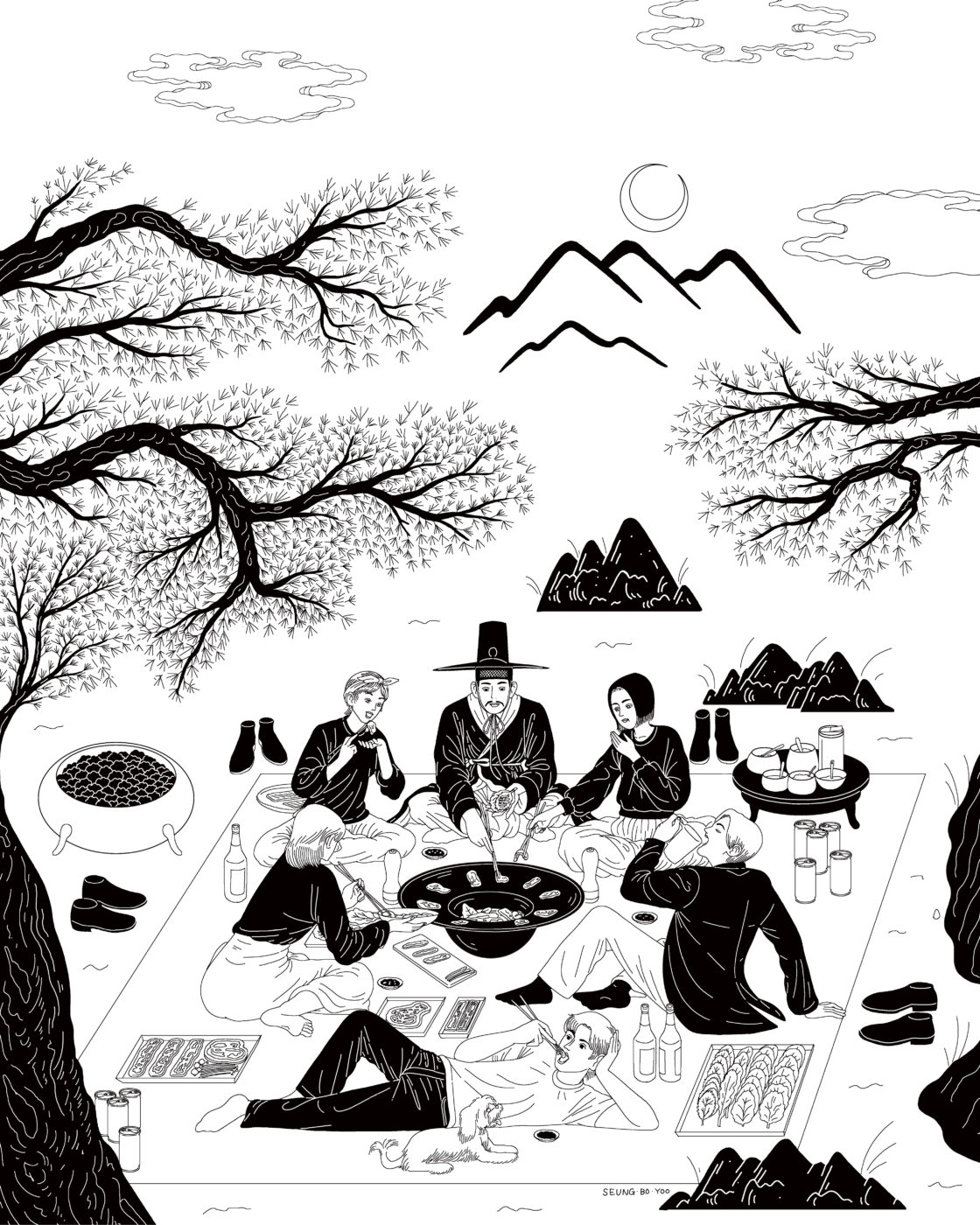
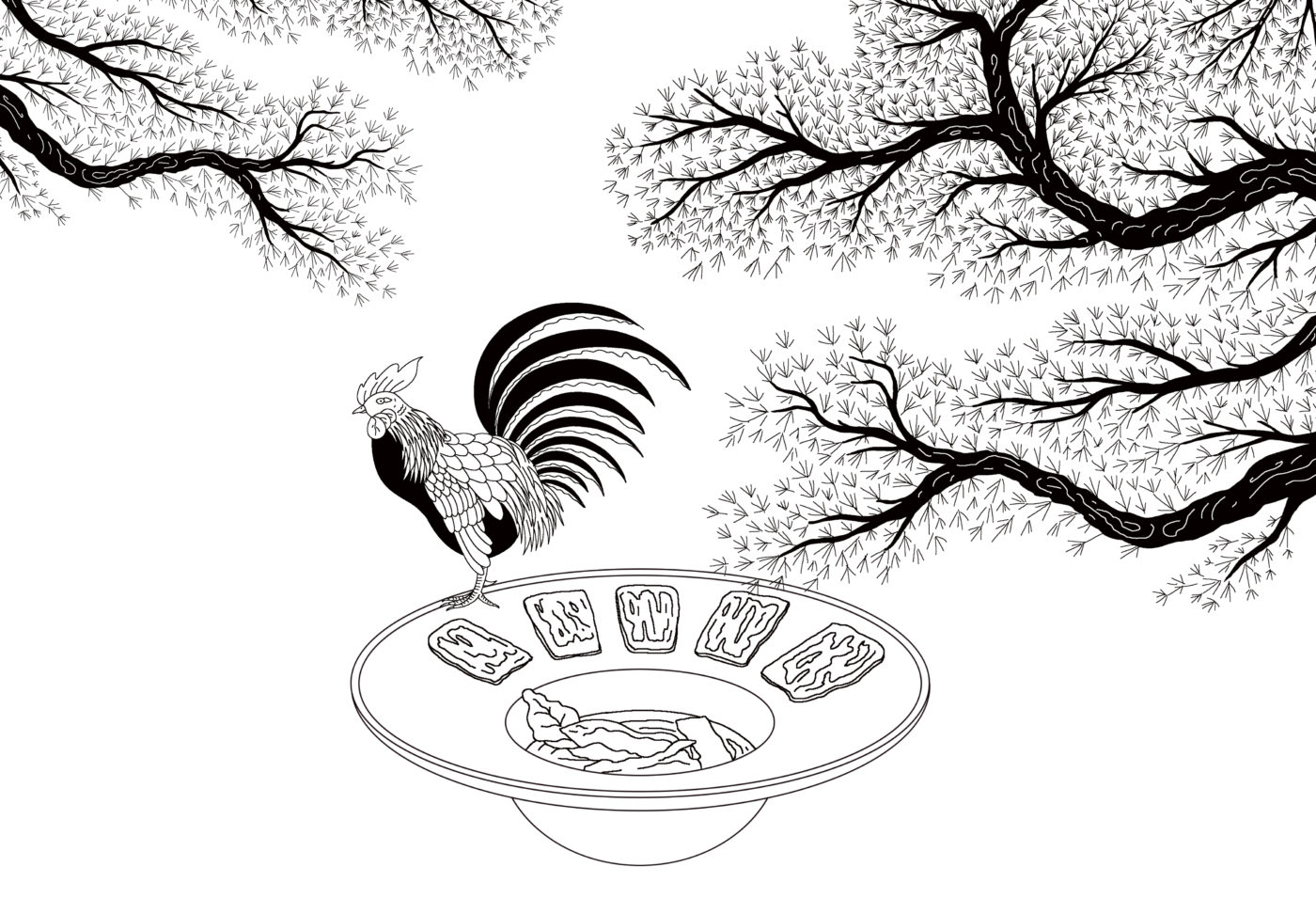
It was a strange night. On the top floor of a narrow-alley building in Seochon, a DJ remix of NewJeans’ “Attention” suddenly played, and the room filled with Seoul’s best-known foodies, executives from the F&B brands that hold Gen-Z in their palm (GFFG, Amazing Brewery, Jeju Beer), and the owners of the meat restaurants the whole city is talking about — Born and Bred, Geumdwaeji Sikdang, Mongtan, Byeokje Galbi, Cheonggiwa Town. It was the largest party the group had thrown since it first erupted onto the scene in April 2022 under the strange, slightly suspicious name ‘Nanro-hoe.’ It all began with Chef Choi Jung-yoon, better known by her nickname ‘JY.’ “It’s a gathering of pungnyu-in — people who bring together intellect and pleasure, taste and style, in our time,” she said. “The Dongguk Sesigi describes a custom in which, in the tenth lunar month, an iron pan was placed on a charcoal brazier and seasoned beef was grilled together with all sorts of ingredients while everyone sat around it. Genre paintings like ‘Yayeon’ preserve those scenes. It’s tempting to think Silhak scholars only studied in monk-like isolation, but in fact they sat around meat, told stories, comforted one another, and good ideas popped up in between. Kim Ok-gyun’s Gapsin Coup, they say, was born at a nanro-hoe.”
So an 18th-century gathering of the era’s sharpest minds and trend-making Silhak scholars has been reborn in 21st-century form. “Honestly, I never imagined it would grow this big.” Look around the room and hanbok, evening dresses and tailored suits are jumbled together without hierarchy. The dress code that night: ‘the most elegant, most beautiful piece you own.’ So many ideas of elegance in one room. From the start Nanro-hoe had three broad goals: to globalize Korean grill culture (K-BBQ), to globalize Korean spirits, and to help farmers and producers. With the precision of a researcher-chef and a burning drive, JY steadily ran gatherings devoted to each of those aims, and the best hands in each domain joined one by one. “I only threw the spark. The people who joined kept the fire alive.”
The first Nanro-hoe, held under the banner of building K-BBQ’s competitive edge, took place at Wonseok Sikdang — the root of Byeokje Galbi. A spring session set in a Hamyang scallion farm brought scallion grilling together with seafood paella, curry, jeollipu-gol and pan con tomate on a single table. Later meetings ran through seasonal-ingredient talks with Joseon menus, meetings with authors of meat-history books, hanwoo lectures paired with jeollipu-gol menu development, natural-wine-and-Korean-liquor sessions hosted by sommeliers, native-chicken research and more. Farmers and fine-dining chefs mingled without hierarchy. Someone appeared who wanted to document the content; a graphic identity and typeface were born; someone built a website. Byeokje Galbi added a jeollipu-gol dish, born of one session, to its course menu; Nanro-hoe’s Korean-liquor gathering led to a collaboration among Ju-eun, Suldamhwa and SSG.com. When staff from the Korean Food Promotion Institute and the Ministry of Agriculture, Food and Rural Affairs dropped by the eleventh, larger gathering “to see what this was,” it quickly turned into an official ministerial roundtable on hansik’s global expansion.
“Next year we’ll organize activities under three headings: Nanro Lab (scientific research on Korean cooking by scientists and chefs together), Nanro Academy (lecture programs by hansik experts) and Nanro Salon (topic-based discussion gatherings on hansik).” As the collective attracts attention, more people knock on the door, but participants are recruited to fit each topic in advance, so it isn’t easy to just wander in. That has drawn accusations of being a clique. “I can say categorically: this is not a group for name-dropping,” she stressed. So then what exactly do you get out of it, people ask, that keeps you this committed? “The gastronomy scene moved from France to Spain because they stood together in solidarity.” Great chefs’ minds, she added, are never limited to the four walls of the restaurant; they think about how they contribute to society.
“As a chef, my wish is for hansik to be loved and to last a long time.” As vice chair for Korea and China and Korea head of the World’s 50 Best Restaurants, she has built a thick network across the global gastronomic scene, and she believes now is the moment hansik can catch fire. “A New York-based journalist told me recently that New York feels like one huge Koreatown right now. It’s not just BTS, ‘Squid Game’ and Bong Joon-ho. Everything with a ‘K’ attached is on fire.” Chef Park Jung-hyun’s Atomix in New York recently landed at No. 33 on the World’s 50 Best Restaurants list — the first time a Korean restaurant has entered the top 50 at this prestigious award. To keep that spark growing, Chef Choi underscores K-BBQ.
“Since I began writing the Korea volume of Phaidon’s International Cooking series, I’ve thought hard about what makes hansik particular. That’s when I looked at K-BBQ again. The reason Japanese food landed in the dining scene with a wide spectrum from high-end to casual was sushi. Where Japanese cuisine has sushi, hansik has K-BBQ. The most expensive meal out for Koreans is beef. Places like New York’s COTE are showing exactly how refined Korean BBQ can be, and few countries divide beef into as many cuts as we do.” Her eyes glowed the whole time like live embers. Even now, dozens of KakaoTalk rooms spun off from Nanro-hoe are alive with debate — dozens of ideas piled up on a single question like what to call a master of meat. “So Chef, what kind of gathering is Nanro-hoe, really? In one line?” “I don’t know. Maybe a stage where we build culture around hansik. And maybe it doesn’t even have to be strictly hansik. That infinite possibility, I think, is the strength of Nanro-hoe.” The spark has been struck; K-BBQ is about to be grilled to its best.
Six K-BBQ Protagonists to Watch
Kim Tae-hyun · Vice Chair, Byeokje Galbi
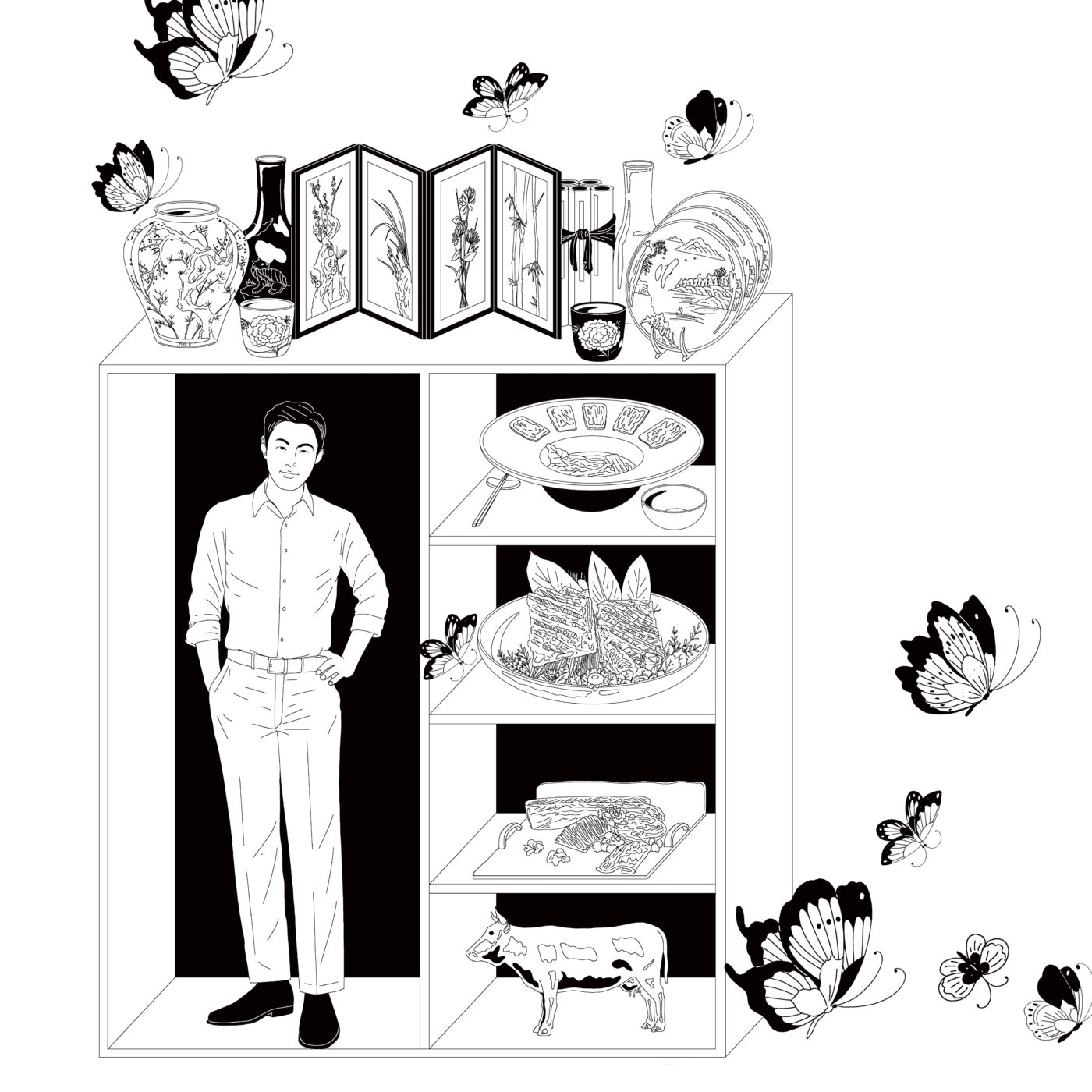
What must it feel like to be born the heir of a thriving meat house? Eat the most expensive cuts every day, maybe grow a little lazy, take safe choices? After meeting Kim Tae-hyun, son of Byeokje Galbi’s founder and its current vice chair, my lazy preconceptions were shattered. “The F&B scene is shifting faster than ever. What role should we play? Byeokje Galbi is a group that values the essence of tradition, but tradition can also grow old. An old man doesn’t become young by putting on a Supreme T-shirt.” A former racing driver, he has attempted a few drifts to overturn the public prejudice of ‘why is Byeokje Galbi so expensive?’ “I lost twice.” This year, at last, he opened the ultimate high-end ‘Byeokje Galbi The Cheongdam,’ opening up new possibilities for Korean BBQ.
“We have an unusual number of long-tenured employees. Many have been with us over 20 years, several over 30. That’s because we’ve built a culture of respect — young talent and long-tenured masters supporting one another.” Master butchers who have handled cattle for decades and understand them to the bone are, in themselves, intangible cultural assets. Order the omakase at Byeokje Galbi The Cheongdam and a 30-year veteran of meat processing puts on a rib-breakdown show right in front of you, telling a story with each cut — a theater. A single kkotppyeo galbi hides many stories and flavors, and even chefs are floored to learn that a diamond cut involves hundreds of knife strokes. Not long ago, at Wonseok Sikdang — Byeokje Galbi’s birthplace — a ‘Grill Master’ contest was held, in which the sharpest meat hands from the group’s various brands competed. It was pushed forward by Kim, inspired by Nanro-hoe: pin on the ‘Grill Master’ badge and you earn a master’s respect and loyalty. People who grill meat well should have been called ‘honored guests’ long ago.
Jeong Sang-won · CEO, Born and Bred
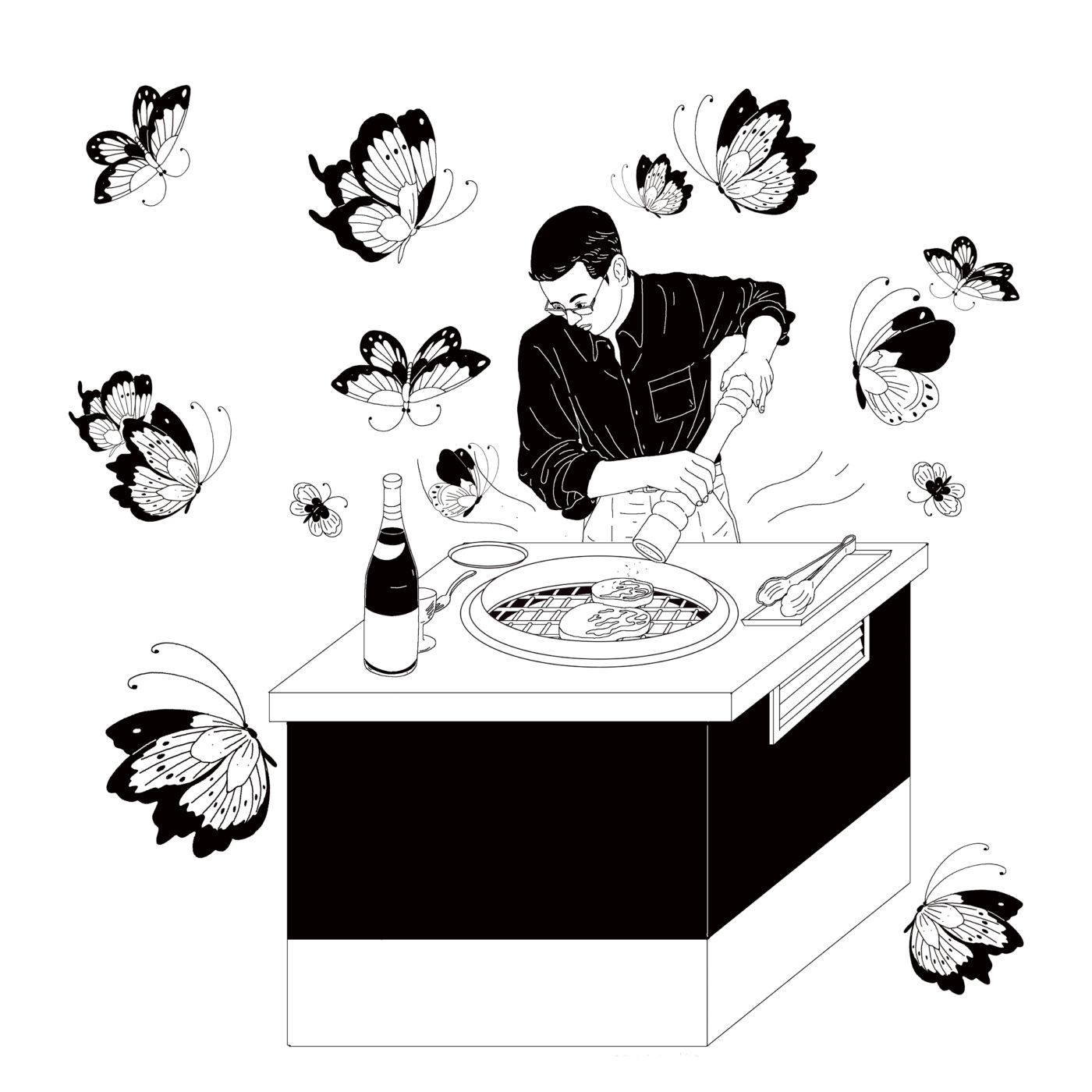
If Korean BBQ ever becomes a subject in a history course, this is the person who would appear on the exam. Jeong Sang-won is the originator of ‘hanwoo omakase’ (recently, the term ‘matgim-charim’ is used in place of ‘omakase’) — and the person who showed that a beef restaurant can be as stylish as a luxury house. Hanwoo omakase is now a common genre, yet Born and Bred still holds first place in the grill category of the recent ‘Taste of Seoul 100.’ Just as the artisan who understands leather makes the best bag, what allowed Born and Bred to become a luxury brand was Jeong’s deep understanding of and affection for hanwoo. Heir to Hanwoo Gohyang, a hanwoo distribution company with more than a thousand accounts, he grew up with the country’s finest beef always at hand. “Which is why, when I eat out, I prefer sushi. (laughs)” Once a blogger who moved in foodie circles, he began serving grilled hanwoo at private social-dining events — that became Born and Bred. The dishes born there, ingeniously making use of every cut, quickly became genre classics.
“Historically, the butcher trade wasn’t respected. After I encountered Dario Cecchini, the Italian butcher featured on ‘Chef’s Table,’ my thinking cracked open.” This year he invited that very Dario Cecchini for a collaboration gala dinner. The meeting felt as momentous as Pavarotti meeting Domingo. “There’s an aura only a butcher has. You recognize it in a glance on the street.” The strengthening of K-BBQ, he says, depends on masters who deepen their craft over years. “Born and Bred has played a role in showing hanwoo’s range, but the traditional and classical are also more than beautiful. I don’t only eat expensive meat. I love pork belly with soju at Shinmi Sikdang near my house.” He recently launched a boutique processing plant called ‘Beef Solution,’ the first HACCP-certified meat-processing plant in Korea. “I want Beef Solution to serve as a kind of officer school for meat — a place that offers ideas and cut recommendations to chefs who want to use interesting cuts without prior knowledge and to people opening new grill houses.”
Cho Jun-mo · CEO, Mongtan · Duthum · Chowon · Ttukdo Nongwon
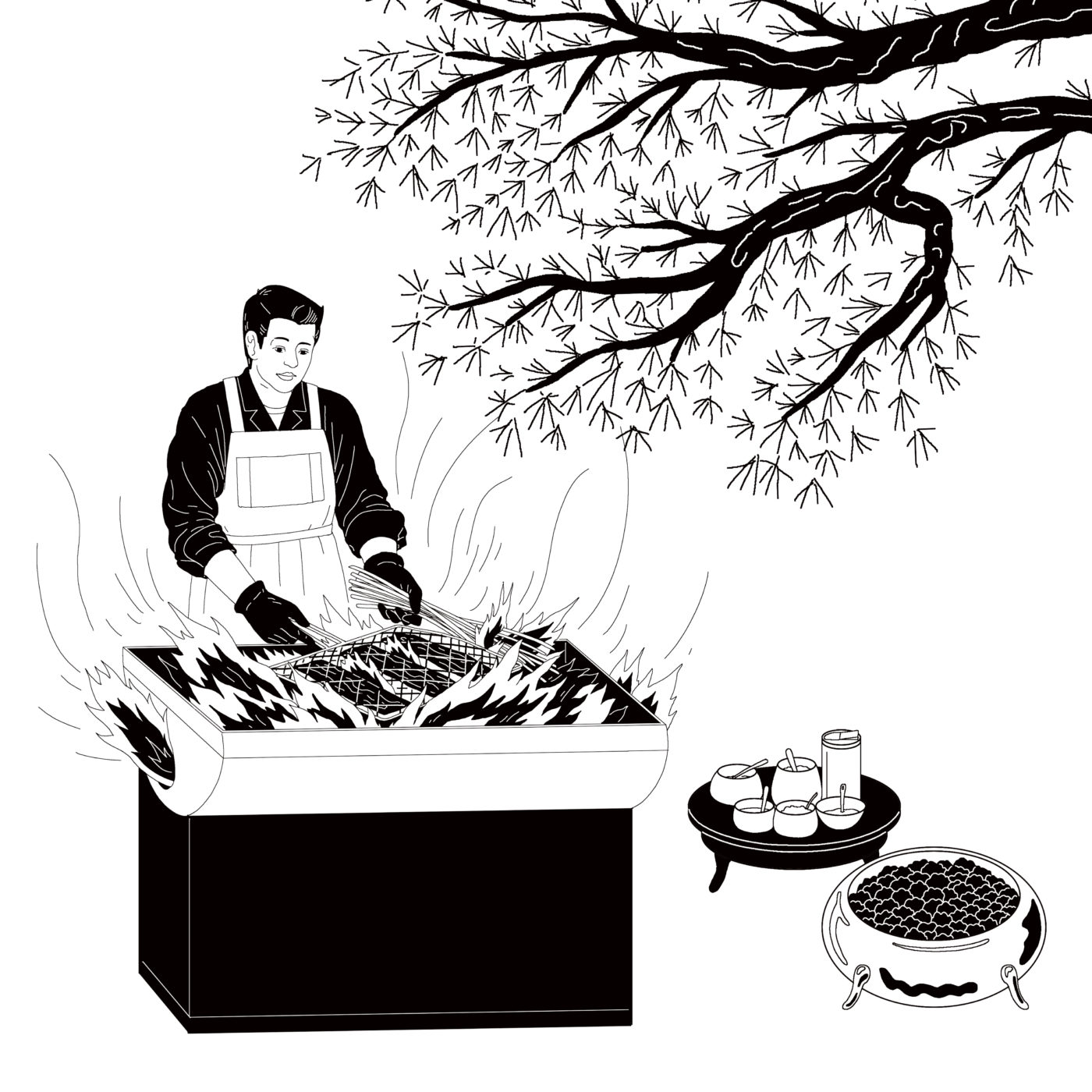
Can ‘hip’ and comfort coexist? In a meat house, no less? To speak of their lively union, Mongtan is unavoidable. On the surface it looks hip; underneath sit warmth and genuine flavor. Many places imitate Mongtan, but only Mongtan is still Mongtan. After hearing Cho Jun-mo’s ‘meat of my life’ stories, I quietly guessed at the reason. “I have two intense ‘meat of my life’ memories. The first was one day in my second year of high school, when I went to my mother’s shop to clean grill plates. That day my mother grilled samgyeopsal herself for me. It was only 80 percent cooked. Back then everyone cooked meat all the way through, so I asked, ‘Shouldn’t we cook it more?’ She just told me to try it, and placed it on top of my rice. Wow — what is this? A texture and flavor I had never tasted before, otherworldly. It was a shock.”
“The second was in 2014, when I was preparing to strike out on my own. Aging as a genre hadn’t yet surfaced. I started studying it, going to communities and gatherings of restaurant owners. I studied and tested aging for months. Then one day, thinking it might work, I called my family together and grilled meat. I grilled it myself, but it was really delicious. That result became the foundation of Duthum.” Duthum led into Mongtan through sharp branding; Mongtan’s success led to Chowon and then to Ttukdo Nongwon. Perhaps it isn’t a leap to say that the reason a straw-fire-fragrant udae galbi eaten after hours of waiting doesn’t feel like a once-and-done experience — but keeps drawing you back — is because it touches the ‘meat of a life’ memory each of us carries. Mongtan is now preparing to open in the U.S. “Three cuts of meat I’d want to eat before I die? Mongtan in North America, Mongtan in Europe, Mongtan in Southeast Asia. Globalizing Mongtan is my dream — maybe one day it comes true.”
Hong Hee-yong · CEO, Eunhwagye · Gyegogijip
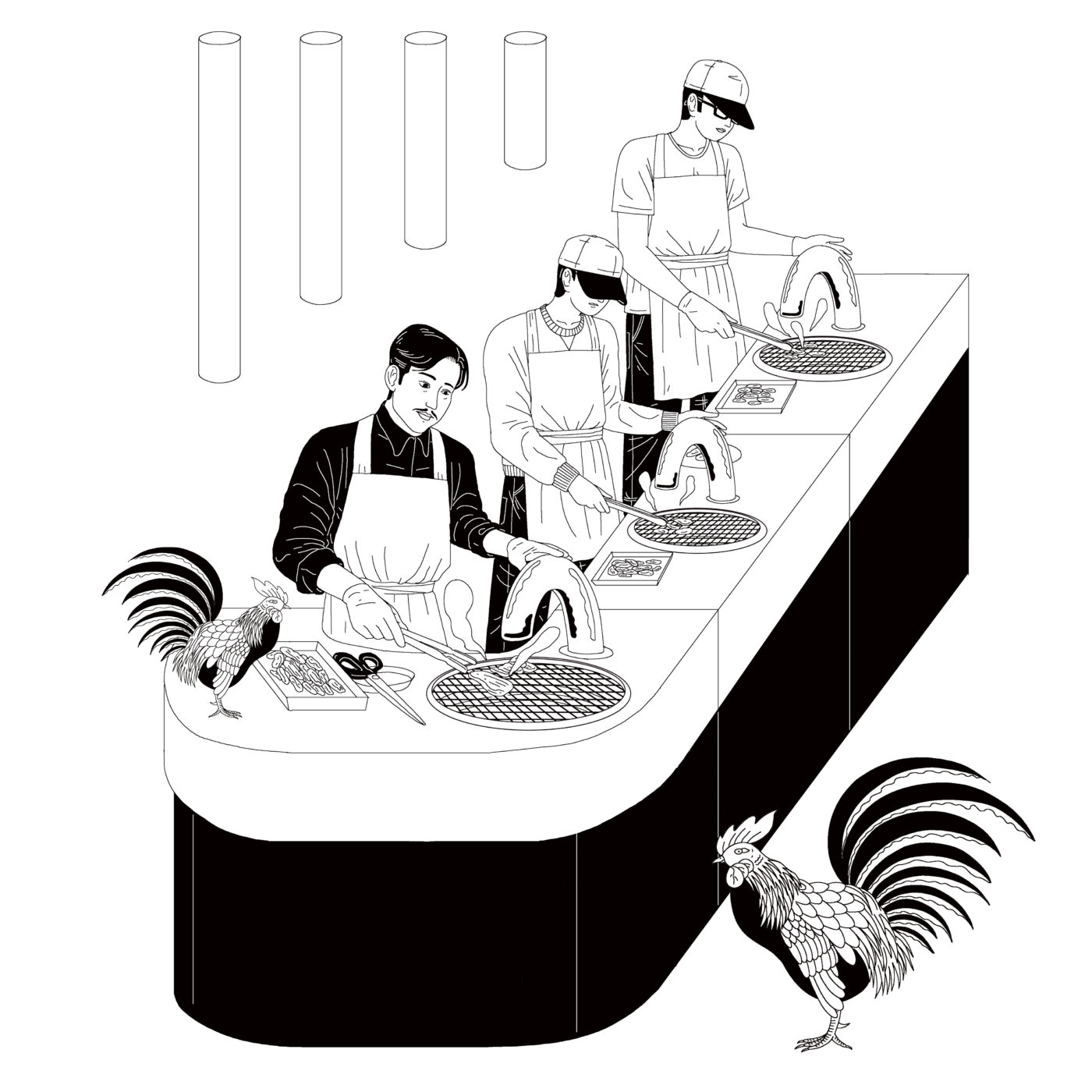
If you’re naming the master of grilled chicken in Seoul right now, this is the person. Hong Hee-yong — who runs Gyegogijip, Eunhwagye, and the salad restaurant Khaki — is the most serious about chicken. “People often ask if someone who sells chicken all day can still stomach chicken. But really, I can’t get enough of it.” His neatly-folded love letters, written in grilled chicken, have landed with chicken lovers. Eunhwagye — whose exterior looks like a Gentle Monster showroom, and whose Sindang flagship, in particular, feels like a lounge club — and Gyegogijip, cozy in a friendly neighborhood alley, are both thriving. “The concepts of Eunhwagye and Gyegogijip carry a lot of my taste. Depending on my mood, the weather or the company, some days I want soju at a smoky drum-can grill; other days I want a gin and tonic at a clean, hip grill. Add fresh grilled chicken on top and it’s complete.”
Watching their contrast is a pleasure — as if a ballad and a trot song were born from the same lyric. I asked him directly for a ‘friendly guide for a traveler visiting Eunhwagye.’ Here is the failsafe owner-recommended course. “The initial grill takes a little time, so start with chicken offal. After the tender cartilage and the crisp gizzards, move to the heart. The heart, kissed by the fragrance of scorched leek whites, should be cooked to medium rare and washed down with soju. Then come the salt-grilled and the seasoned pieces. Take the first salt-grilled bite with just a touch of salt; dip the seasoned pieces once in the garlic-mayo sauce — that’s Eunhwagye’s unmistakable world. If you want a hot broth, order the pa-gyejang packed with scallions; if you want a fresh finish, close with the chogye bibim-guksu.”
Yang Ji-sam · CEO, Cheonggiwa Town
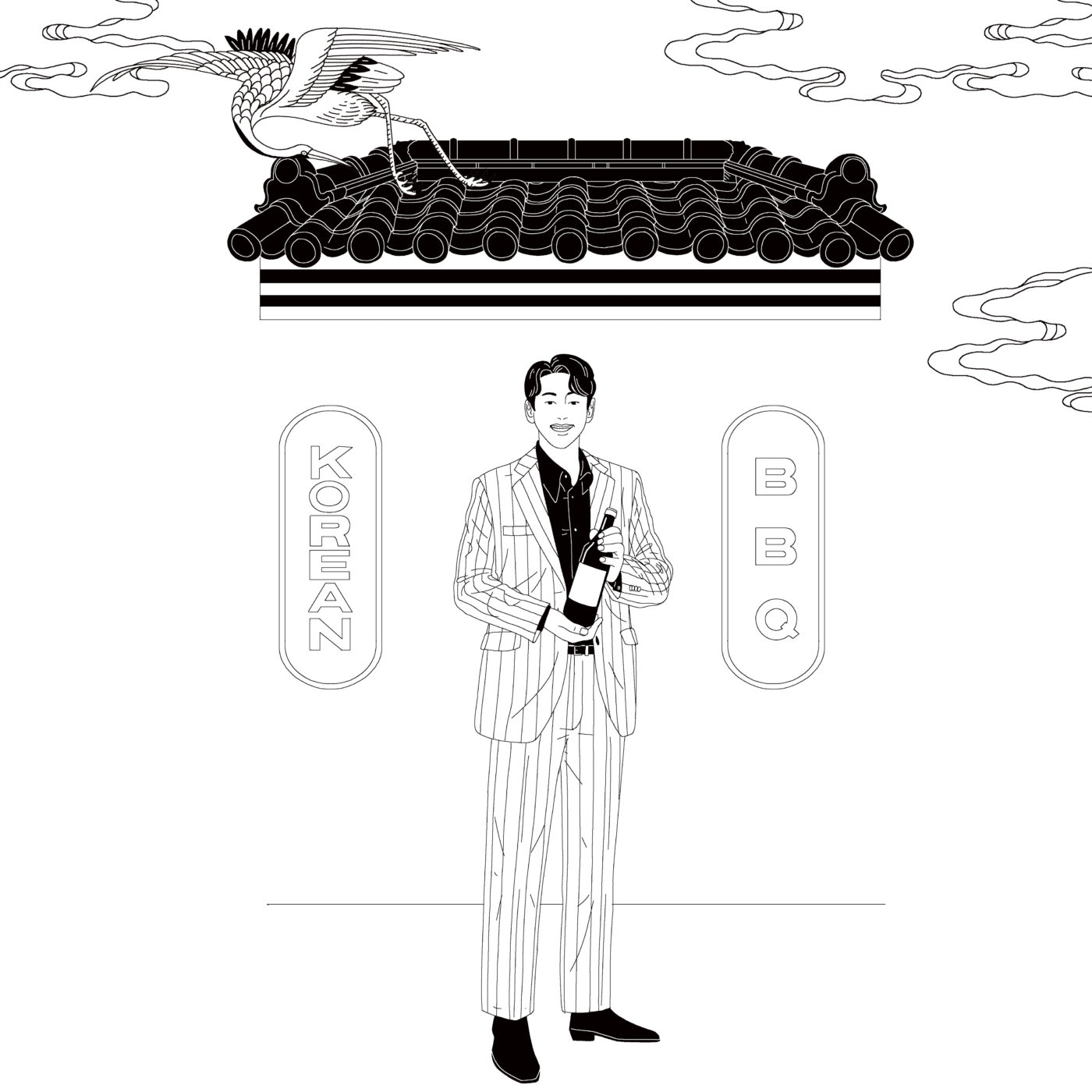
“Hip always disappears one day.” Excuse me — but what is the CEO of Seoul’s most-talked-about ‘hip’ grill house, Cheonggiwa Town, actually saying? “I wanted to build a restaurant that lasts a long time. That’s why I put ‘galbi’ — Koreans’ most representative meal out — at the center. Cheonggiwa Town’s competitor? Outback.” The gap between what you glean about Cheonggiwa Town from a swipe on your phone and what you experience once you actually walk in and eat is wide. This supposed hipster mecca is filled with all kinds of guests eating galbi in their own ways: middle-aged men on company dinners, families of four with young children, well-dressed Gen Z, elderly couples, all mixing without lines drawn. “I wanted it to be a place you want to come back to. That’s why we care so much about repeat guests. To make them come back, you give them what they want. When a customer said she needed miyeok-guk for her young child, we put miyeok-guk on the menu. For guests uncomfortable with long waits, we introduced a reservation system. We sell wine at rock-bottom prices, and wine corkage is free. The guest just has to eat galbi.”
Cheonggiwa Town was conceived by the well-known planner ‘Bobby Jung,’ who gathered the people he needed and built it as a brand, but the person who breathed life and air into the place is Yang Ji-sam (he once achieved second-highest national sales for a certain chicken chain). His other restaurants are all still thriving, but true to his wish “to build a brand that describes me without any modifiers,” Cheonggiwa Town has become Yang Ji-sam’s unique identity. “I’m a person who sells well-made things well.” The successful entrepreneur Yang Ji-sam is not the sort to hide his hard-won know-how. He believes in solidarity. Which is why he happily offers start-up consultations through his SNS, entrepreneurship talks and KakaoTalk. Fresh advice like “a customer who lodges a complaint is likely to become a regular” could only come from him. Perhaps the person who sells well is the person who sees the guest’s heart from a slightly different angle. The next generation’s family restaurant might be neither Outback nor TGIF but this place, I thought as I left Cheonggiwa Town.
Jeong Dong-woo · CEO, Godosik
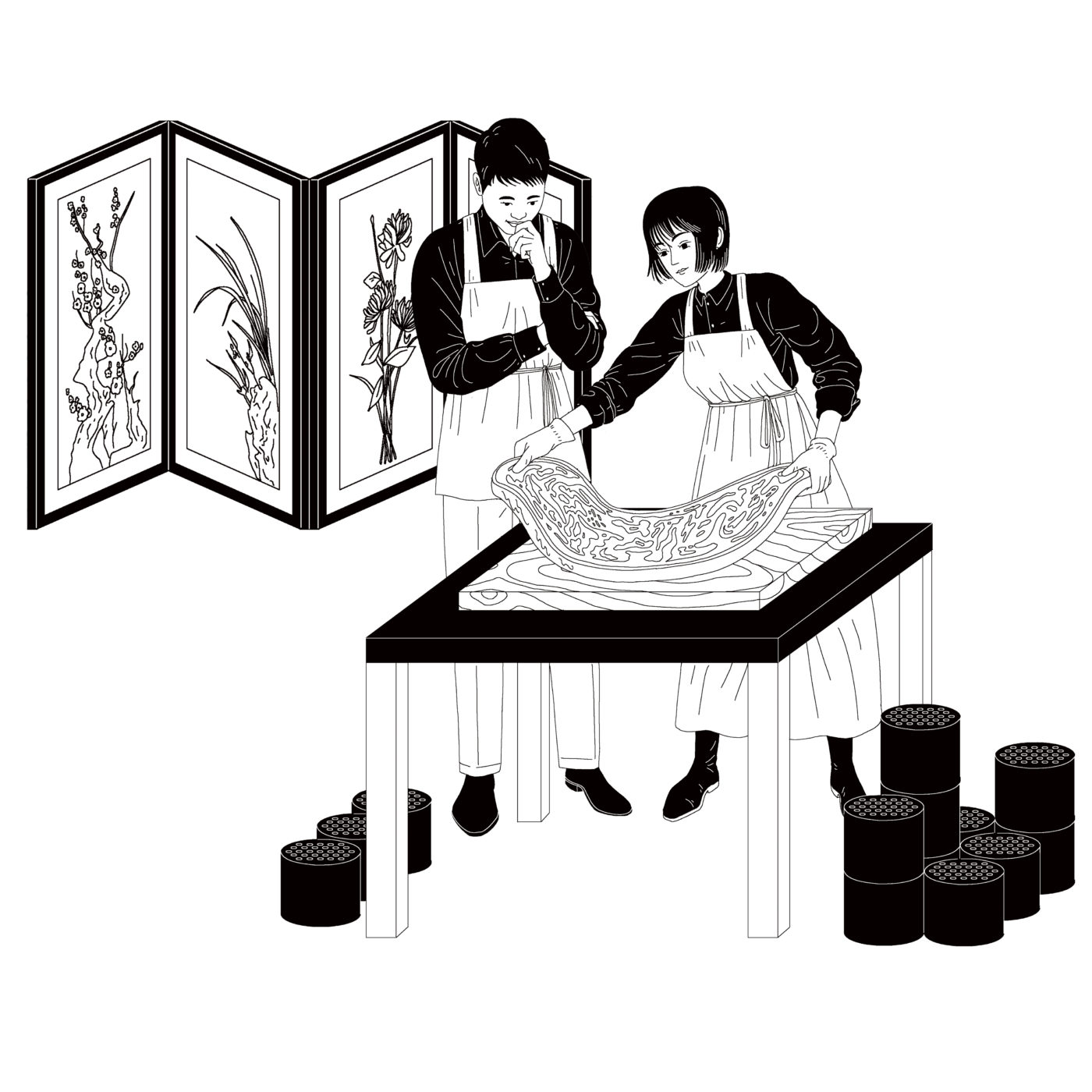
Yanginhwandae, Mongtan, Cheonggiwa Town, Art Monster Gangnam — and Godosik. The portfolio of the planner ‘Bobby Jung’ is engraved with the name Jeong Dong-woo, much the way a Park Jin-young song begins with the ‘JYP’ signature sound. Jeong’s achievements in the current Korean BBQ scene are dazzling. And gratefully, his devotion to meat is quite genuine. With that devotion he broke the stereotype that ‘anything Bobby Jung does is all concept,’ and led his own grill house, Godosik, to a handsome success. Is it not disheartening, I asked, that there is nothing new under the sun in planning? He answered a foolish question wisely. “I agree there is nothing new under the sun, but I don’t find that disheartening. It just means I study more, look more, and think about how to remix. Take K-BBQ: the concept has so many things you can try depending on distribution networks, national policy or other conditions. Taking a familiar form, applying one point of change, and making it into a new culture — that too is a planner’s job.”
He is opening a pork brand, ‘Sancheong Sutbul Garden,’ in December and plans a new beef brand next year. If Bobby Jung’s grill houses one day become a genre painting like ‘Yayeon,’ what would that scene look like? “In ‘A Dirty Carnival,’ Jo In-sung eats samgyeopsal and asks, ‘What is family?’ Then he answers, ‘Family is the mouths that eat together.’ I like universal codes people enjoy, and I’m a planner who lifts stories out of the memories that pile up in a life. I hope the scenes at my restaurants continue to be scenes of everyday life — sitting around a table sharing a meal with the team I share a heart with.”
Park Soo-kyung · Park Se-young · CEO · Manager, Geumdwaeji Sikdang
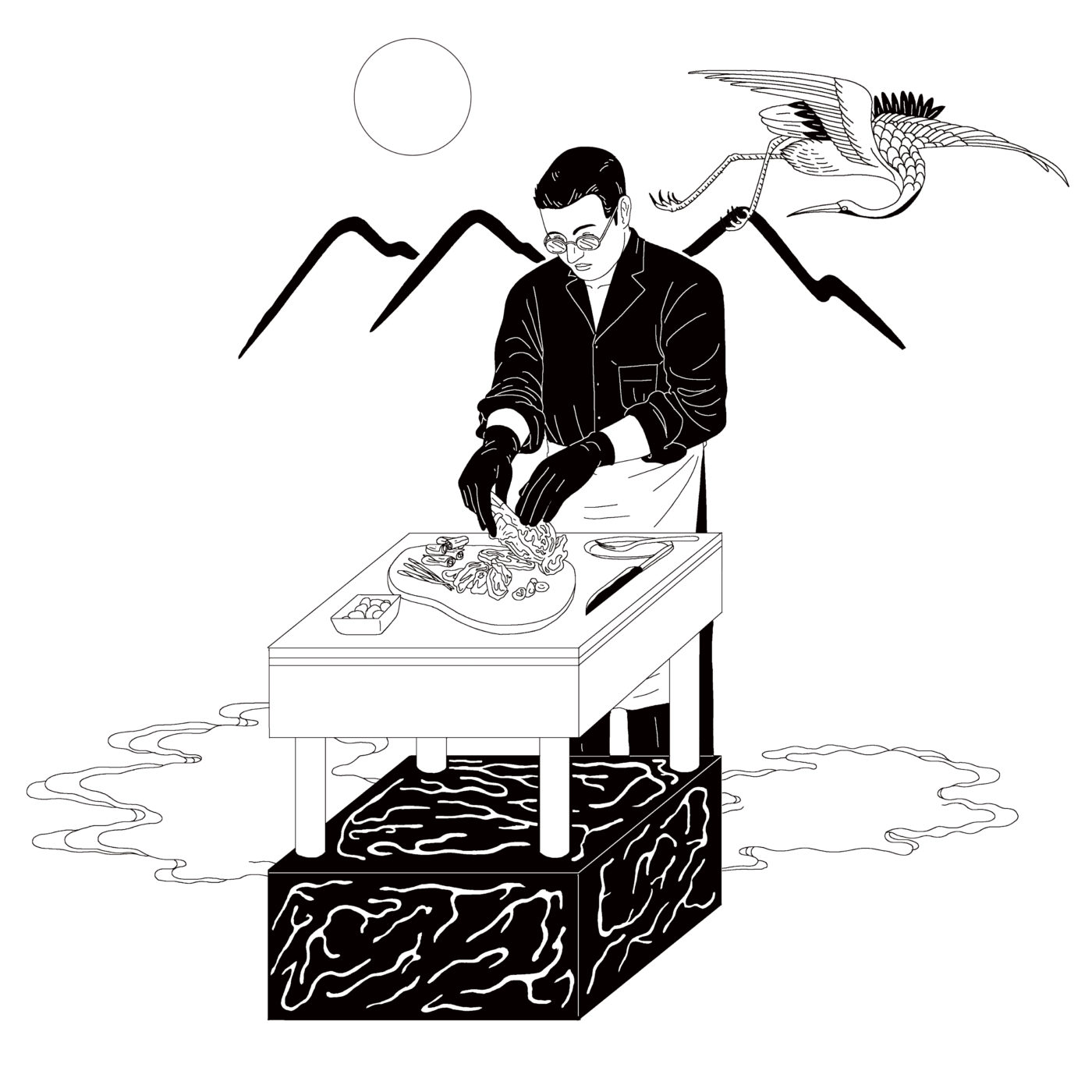
Named to the Michelin Guide Seoul’s Bib Gourmand for the fifth year running, Geumdwaeji Sikdang’s CEO Park Soo-kyung and manager Park Se-young are outstanding storytellers. “After we finished preparing to open, we invited close friends and asked what they thought. A friend from Gangnam said, ‘It’s good, but why do I have to come all the way here? There are good grill houses in our neighborhood too.’ It was a shock. With the interior all finished, we spent three months hammering out ‘why does it have to be Geumdwaeji Sikdang?’ We worked to find what was ours, and decided we shouldn’t just know it ourselves — we had to convey it to guests, kindly and in detail.” Not just good salt but Maldon salt, made by boiling down seawater; not just tasty pork but the YBD breed, crossing Yorkshire, Berkshire and Duroc; samgyeopsal cut in a way different from the norm; the umami that comes from aging — these gentle stories added flavor upon flavor. It’s the harmony of the researcher-minded Park Se-young and the boldly-launching Park Soo-kyung, both united around pork.
Park Soo-kyung — obsessed with NewJeans, ‘Street Man Fighter’ and golf — resists even the gate-house temptation after a round and heads to Geumdwaeji Sikdang, stomach growling, to eat meat. “Because it’s good every day.” Over Geumdwaeji Sikdang’s seven years, sharp talents in F&B have multiplied like mushrooms. Restaurants imitating its concept have multiplied too. Even so, from famous foodies to celebrities, people accept the punishment of waiting to get into the always-packed Geumdwaeji Sikdang. “We don’t think we’re the best. We’re satisfied if guests eat well and leave feeling good.” No matter how long the line, the service at Geumdwaeji Sikdang does not shift. Only those who, after three months of hands-on floor experience, can read the flow and command a temperamental flame are allowed to pick up meat and tongs to ‘perform surgery,’ and while the meat sears, the stories set on the table — about the primary cut, the banchan, the galchi-sok-jeot, the salt — dance happily above the coals.
JY’s Old-School Seoul BBQ List
- Euljiro Jeonjujip — frozen samgyeopsal + pa-muchim
- Euljiro Daeji Sikdang — water-parsley samgyeopsal + mu-saengchae, kimchi
- Euljiro Woo Rae Oak — bulgogi + Pyongyang naengmyeon, mu-saengchae, geotjeori
- Seoul National University Hwangso Gopchang — yang-gopchang + bean-sprout soup
- Jongno Yangmi-ok — yang-gopchang + hearty anchovy-doenjang stew
- Sinsa-dong Samwon Garden — beef galbi + pajeon, Hong Shin-ae kimchi
- Bang-i-dong Byeokje Galbi — beef galbi + Pyongyang naengmyeon
- Myeong-dong Seoseo Galbi — marinated beef galbi
- Cheongnyangni Gamcho Sikdang — pork galbi + oi-sobagi, dotori-muk, seasonal buchu-kimchi
- Gwangjang Market Nammae Deungshim — dongeurang-ttaeng (gochujang jumulleok) + doenjang soup, pa-kimchi
- Seongbuk-dong Ssangdari Bulbaek — pork bulgogi baekban + jaecheop-guk, ssam-optimized banchan
- Jongno Namdo Sikdang — gochujang samgyeopsal + complimentary seonji haejang-guk, ssam, seasonal namul
- Sindang-dong Useong Galbi — pork galbi + kkeobdegi, buchu-muchim
- Myeong-dong Samho-jeong — beef jumulleok + nabak mul-kimchi, seasonal namul
- Apgujeong Yeontan Gongjang — pork galbi + kimchi-sujebi, dosirak
- Sindang-dong Jungang Galbi — pork galbi + basic doenjang stew, ramen, dried snacks
- Mapo Wonjo Mapo Kkeobdegi-jip — salt-grilled, pork galbi + dak-ddongjip, grilled fish
- Guro Ubang Jeongyuk Sikdang — bing-su yukhoe, frozen mok-samgyeop
- Euljiro Yonggang Sikdang — LA galbi + side dishes
- Jongno Migalmaegisal — galmaegisal + bean-sprout kimchi soup
- Yongsan Samgak-jeong — pork over coal + cabbage with narcotic soy sauce
- Yongsan Samgakji · Samseong-dong Bongsan-jip — chadolbaegi + chadol-makchang doenjang stew
- Across from Venus HQ Galbisal — chonggak-kimchi, al-baechu
- Gwanghwamun Heungnam Budu — pa-kimchi, chonggak-kimchi + gul-gukbap
· Original (Korean): gqkorea.co.kr